
Visual Rhythm Support
Support balanced visual comfort and daily eye resilience.
This pathway connects vision & eye comfort with practical daily structure and related educational context.
Focus Areas Connected

How We Support (Methods / Pathways)
Near-far rhythmAlternate close work with farther viewing.
During long periods of close work, regularly look toward a farther point in the room or outdoors for a short visual change. The goal is not a strict timer but a repeatable near-to-far rhythm that interrupts continuous close viewing and gives attention a natural reset. On the Visual Rhythm Support pathway, “Near-far rhythm” works best as a repeatable cue rather than a performance target.
Work lighting checkMake sure light supports the task.
Adjust the room and screen together rather than increasing one in isolation. Avoid a bright screen in a dark room, reduce glare where possible, and use task lighting that lets you read comfortably without squinting or repeatedly changing posture. Keep “Work lighting check” proportionate to the rest of the Visual Rhythm Support routine and simplify it if it becomes hard to repeat.
Blink and soft gaze cueAdd small comfort cues during long screen blocks.
Use a brief soft-gaze cue during concentrated screen work: relax the jaw and shoulders, blink normally, and let the eyes look at the whole visual field rather than one tiny point. A cue tied to sending an email or finishing a paragraph can make this easier to remember. Use “Blink and soft gaze cue” as one flexible support cue within Visual Rhythm Support, rather than a stand-alone rule that has to be followed exactly.
Screen-free transitionsCreate visual breaks between work and evening.
Choose a point when screens stop leading the next part of the day. You might move the phone away from the main resting space, switch from close-up scrolling to music or an audio task, or finish the last screen-based job before beginning the evening routine. Keep “Screen-free transitions” proportionate to the rest of the Visual Rhythm Support routine and simplify it if it becomes hard to repeat.
Visual routine reviewNotice where visual load is highest.
Review the pattern over several days rather than reacting to one good or difficult day. Note what was easy to repeat, what repeatedly fell away, and one change that would make the routine simpler; the review should reduce friction, not become another performance score. Use “Visual routine review” as a practical part of Visual Rhythm Support, not as another obligation that has to be completed perfectly.
Related Ways to Support
Screen Comfort Support
A connected support pathway for additional daily context.
Cognitive Clarity Support
A connected support pathway for additional daily context.
Explore Related Topics
Visual Rhythm & Daily Eye Comfort
Explore the topic neighbourhood connected to this support pathway.
Featured Guides & Articles
Related Objectives
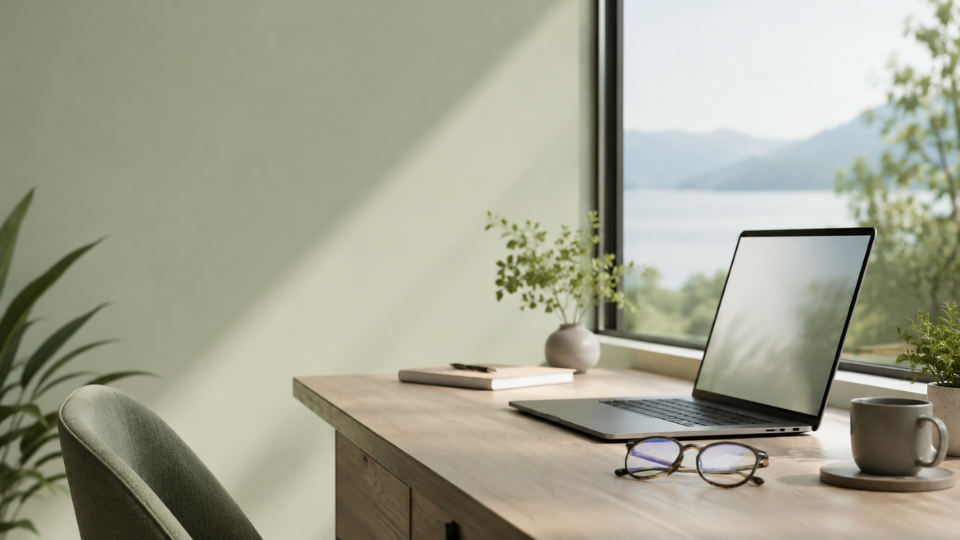
Screen Comfort
Explore support for “Visual Comfort During Screen Time” through the most relevant focus areas and daily pathways.
Questions About Visual Rhythm Support
What does Visual Rhythm Support support?
Visual Rhythm Support supports a clearer daily structure around vision & eye comfort and related wellness routines.
Is this a fixed routine?
No. This page is an educational support pathway. It helps organise ideas and internal links, but it does not give a rigid plan or personal instruction.
Where should I go next?
Start with the connected focus area, then open the related topic or featured reading that best matches what you want to understand next.
Disclaimer: This content is educational wellness information and does not diagnose, treat, cure, or prevent any disease or condition. It is not a substitute for personalised medical advice.
Continue Exploring
Choose the focus area, topic, or objective that best matches your current priority, and continue through the governed GALMS knowledge structure.