

Emotional Balance
Support steadier emotions and a more balanced daily rhythm.
This objective connects calm & resilience with emotional steadiness and nervous system balance in a practical daily structure.
Primary Focus Area

Calm & Resilience
Support emotional steadiness, adaptability, calm daily structure, and nervous system balance.
- Supports calm during demanding periods
- Encourages steady daily rhythm
- Connects calm with focus and recovery
Related Focus Areas

Sleep & Restoration
Support restorative sleep, evening recovery, and next-day readiness.
Ways to Support
Emotional Steadiness
Supporting emotional steadiness and balanced daily rhythm.
Nervous System Balance
Supporting steadiness and resilience during demanding periods.
Stress Rhythm Support
Supporting balanced response to periods of pressure and workload.
Explore Related Topics

Emotional Balance & Daily Stability
Explore practical guidance for emotional Balance & Daily Stability.
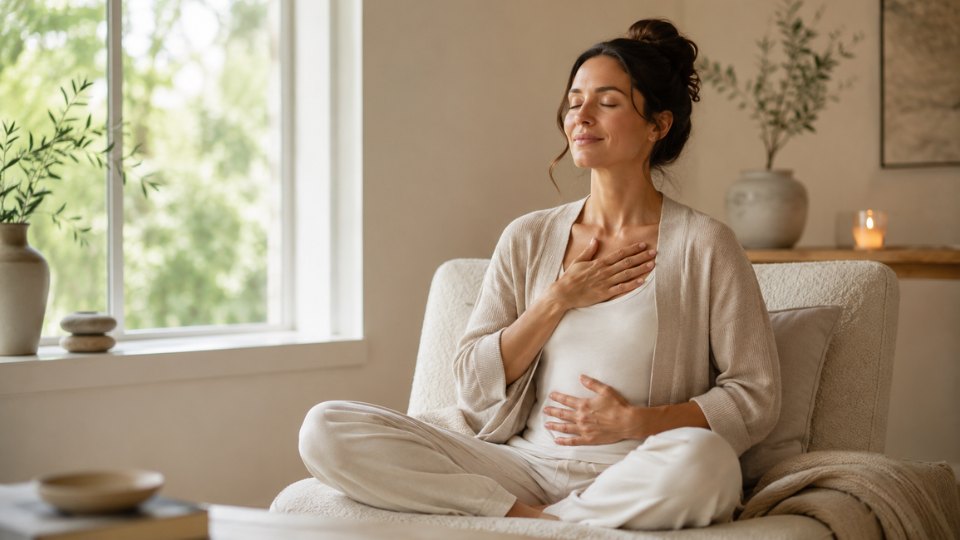
Daily Calm & Nervous System Balance
Explore practical guidance for daily Calm & Nervous System Balance.

Stress Rhythm & Resilience Structuring
Explore practical guidance for stress Rhythm & Resilience Structuring.
Featured Reading
Emotional Balance and Daily Stability
Practical guidance on emotional Balance and Daily Stability, with a focus on emotional steadiness.
Everyday Steadiness Through Lifestyle Rhythm
Practical guidance on everyday Steadiness Through Lifestyle Rhythm, with a focus on rhythm stabilization.
Daily Calm Through Structured Routines
Practical guidance on daily Calm Through Structured Routines, with a focus on calm structuring.
Frequently Asked Questions
What does emotional balance mean in everyday wellness?
Emotional Balance is about creating routines that support calm & resilience in a way that fits ordinary daily life. The aim is a repeatable structure, not a rigid or perfect routine.
Which routines can support emotional balance?
Useful starting points include emotional steadiness, nervous system balance, and stress rhythm support. Small, consistent changes are generally easier to maintain than changing everything at once.
Where should I start?
Choose the pathway that best matches your current routine, keep the first step simple, and give it enough consistency to notice whether your day feels more stable, comfortable, or restorative.
This page is for general wellness education only. It does not diagnose, treat, prevent, or cure any disease or condition. For personal medical questions, speak with a qualified healthcare professional.
Continue Exploring
Continue through the primary focus area or open the first governed support pathway connected to this objective.